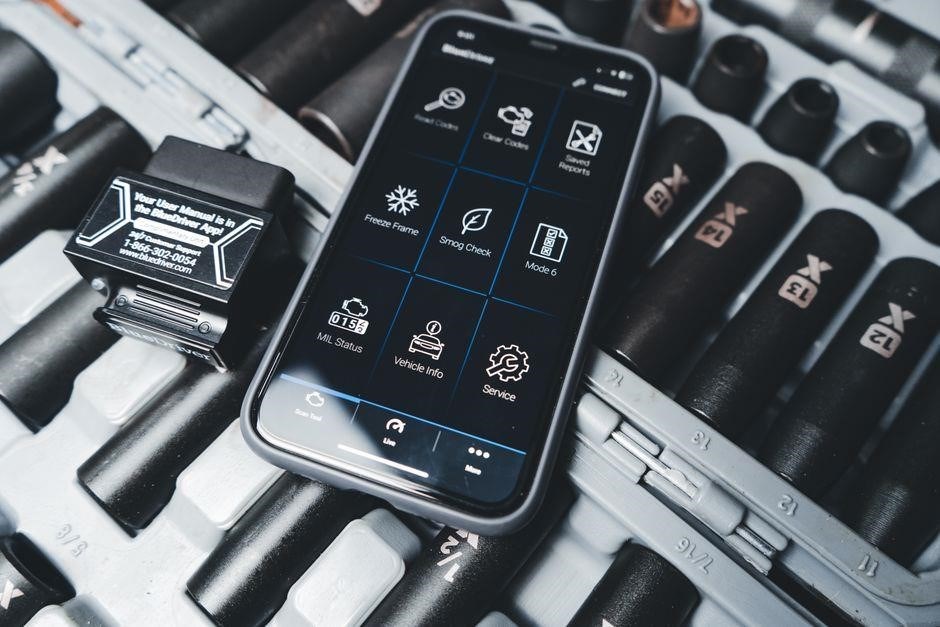
pit boss error code list pdf
Pit Boss error codes appear as short alerts like ErH, ErL, or LS1. The official pdf list details each code’s meaning, causes, and fixes. By consulting this pdf, owners can quickly diagnose issues, avoid downtime, and maintain optimal smoker performance. Firmware updates resolve errors quickly.

What Are Pit Boss Error Codes?
When a Pit Boss smoker encounters a malfunction, it displays a concise error code on the control panel. These codes—such as ErH, ErL, ErP, LS1, Lo1, and NoP—serve as quick diagnostics for both users and technicians. The official pdf error code list provides a comprehensive reference, detailing each code’s meaning, underlying cause, and recommended remedy. For example, ErH indicates a heating element issue, while ErL signals a low fuel level or ignition problem. The pdf format organizes codes by category, making it easier to locate the relevant section for a specific model, especially those equipped with the SMOKE IT control panel, where codes may appear as Pellet/Ignitor/Auger/Fan errors.
Understanding these codes is essential for efficient troubleshooting. The pdf lists not only the error identifiers but also step‑by‑step solutions, such as cleaning the auger, checking fuel quality, or updating firmware. By consulting the pdf before contacting support, owners can often resolve issues independently, saving time and reducing service costs. Moreover, the pdf includes preventive maintenance tips—like regular cleaning and firmware updates—to minimize the likelihood of recurring errors.

Accessing the Official pdf Error Code List
Find the official Pit Boss pdf on the manufacturer’s support site. Navigate to “Downloads” or “Documentation.” Click the PDF titled “Pit Boss Error Code List” and save it locally. Open with a PDF viewer to reference codes quickly Download now
Where to Find the pdf and How to Download It
To locate the official Pit Boss error code list, head to the manufacturer’s support portal. Most brands host a dedicated “Documentation” section where user manuals and troubleshooting guides are stored. Within that area, look for a file named “Pit Boss Error Code List.pdf.” The file is typically a 2‑page PDF that lists every code, its meaning, root cause, and recommended fix. Once you’ve found the link, click it to open the PDF in your browser’s PDF viewer. If you prefer a local copy, right‑click the link and select “Save link as…” or use the browser’s download button. The file size is usually under 200 KB, so the download completes in seconds even on a mobile connection. After saving, open the PDF with any standard reader (Adobe Acrobat, Preview, or a mobile app). Keep the document handy for quick reference during maintenance or troubleshooting sessions. If you can’t locate the PDF on the website, try searching the site’s help center or contact customer support for a direct download link. Maintaining an up‑to‑date copy of the PDF ensures you can resolve issues promptly and keep your smoker running smoothly.

For quick access, bookmark the PDF link in your browser or save it to a cloud drive. When a new firmware update releases, the support site often updates the PDF to reflect changes. Always verify the PDF version number at the bottom of the page to ensure you’re using the latest reference. This practice prevents misinterpretation of codes after system upgrades!!!???
Remember to keep the PDF updated after firmware changes to avoid misreading codes now. ASAP!
Understanding the pdf Format and Layout
The Pit Boss pdf is a two‑page document. It lists codes in a table with columns: Code, Description, Cause, Fix. Each row is a single error. The layout uses bold headers and a concise bullet list for solutions. Use this layout for reference!! pdf!!
How the pdf Organizes Error Codes and Solutions
The Pit Boss error code pdf arranges information in a clear, tabular format that allows users to quickly locate a problem and its remedy. Each row of the table represents information about a distinct error code, starting with a concise alphanumeric identifier such as ErH, ErL, or LS1. The first column lists the code itself, the second column provides a brief description of the fault (e.g., “High Temperature” or “Low Pressure”), and the third column explains the underlying cause, often referencing sensor failure, fuel quality, or mechanical blockage. The final column offers step‑by‑step corrective actions, ranging from simple cleaning procedures to firmware updates or component replacement. The pdf also includes a summary section at the bottom that groups related codes into categories—Heating, Ignition, Low‑Temperature, and Fan—making it easier to troubleshoot similar issues in a single glance. By following the structured layout, users can diagnose errors efficiently, reduce downtime, and maintain optimal smoker performance.
Users can also leverage the pdf’s built‑in search function to locate a code by typing its alphanumeric label, instantly jumping to the relevant row. The document’s footer displays the version number and last‑update date, ensuring technicians reference the most current firmware information. The pdf includes a summary table at the end summarizing the top ten frequent errors for troubleshooting during calls.!
Common Error Code Categories
Typical Pit Boss pdf lists group errors into heating (ErH, ErL), ignition (ErP), low‑temp (LS1, Lo1), and fan (4P1). Each category lists causes, symptoms, and fixes, enabling quick troubleshooting and preventive maintenance. Use the pdf to check codes fast.!!
ErH, ErL, and ErP – Heating and Ignition Errors
The Pit Boss pdf error code list groups heating and ignition faults under ErH, ErL, and ErP. ErH indicates a heating element failure or insufficient heat buildup; the smoker may remain cold or shut down during operation. ErL signals a low‑temperature sensor malfunction, often caused by sensor drift or wiring issues, leading to premature shutdown. ErP flags a problem with the pellet ignitor or auger motor, preventing proper pellet combustion. The pdf provides step‑by‑step diagnostics: check the heating element for visible damage, inspect the temperature sensor for continuity, and verify the ignitor circuit and auger drive motor for proper voltage. Solutions include replacing damaged heating coils, cleaning or replacing the temperature sensor, and ensuring the ignitor is free of debris and the auger motor receives correct power. Firmware updates can also resolve software‑related ignition glitches. Always refer to the pdf’s troubleshooting flowchart, which maps each code to specific corrective actions and safety precautions. By following the documented procedures, users can quickly restore full functionality and avoid extended downtime. The pdf also lists recommended maintenance intervals, safety checks, and firmware version compatibility tables to help users keep their Pit Boss in top shape. By regularly consulting the pdf, owners can preemptively address potential issues before they trigger error codes, ensuring a smooth and efficient smoking experience. Keep your pdf current firmwareup!
Model-Specific Codes (SMOKE IT Control Panel)
SMOKE IT panels show model‑specific codes: PELLET, IGNITOR, AUGER, FAN. The pdf lists each code’s meaning and fixes. PELLET means clogged auger; IGNITOR signals faulty spark; AUGER indicates motor failure; FAN points to fan motor issues. Follow the pdf flowchart for diagnosis and repair. promptly. soon.
Pellet/Ignitor/Auger/Fan Error Codes
When a code appears, first consult the pdf’s troubleshooting flowchart. For the PELLET code, inspect the auger for jammed pellets and clean the feed chute. For the IGNITOR code, verify the ignitor’s electrical connections and replace if the spark is weak. The AUGER code often requires checking the motor’s power supply and ensuring the belt is properly tensioned. The FAN code may indicate a clogged fan or a failed motor; cleaning the fan blades and testing motor voltage can resolve the issue. If the pdf lists a firmware update, download the latest version from the manufacturer’s website and install it to eliminate software glitches that trigger these codes. Regularly cleaning the pellet chamber, using dry pellets, and updating firmware keeps the smoker running smoothly and reduces error codes reoccurring.

Start-up and Low-Temperature Codes (LS1, Lo1, Lo2)
LS1 is a normal start‑up; ignore. Lo1/Lo2 mean low burner temp. Check auger, ignitor, fan per pdf. Clean pellet chute, use dry pellets, verify thermostat. Firmware updates can fix persistent low‑temp alerts. and check fan speed.and airflow.
Interpreting Start-up and Low-Temp Messages
When a Pit Boss smoker boots, first message you see is often “LS1.” According to the official pdf, LS1 is a normal start‑up signal and requires no action. It simply indicates that the control board has powered on and the system is initializing. If display then shows “Lo1” or “Lo2,” smoker is reporting a low‑temperature condition. Lo1 typically means burner is below target temperature, while Lo2 indicates a more severe drop. The pdf explains that these codes are triggered when internal thermostat reads a temperature lower than set point for a sustained period. To resolve a Lo1/Lo2 condition, first verify that the auger is moving freely and that the pellet chute is clear. Inspect the ignitor for any signs of wear or damage; a weak ignitor will fail to heat the pellet bed. Check fan speed and airflow; restricted airflow can keep burner from reaching desired temperature. If all mechanical components are functioning, use the pdf’s troubleshooting flowchart to determine whether a firmware update is needed. Firmware updates are listed in the pdf as a common fix for persistent low‑temperature alerts, especially on newer models. Finally, ensure that the pellets are dry and of good quality, as damp or low‑grade fuel can also trigger Lo1/Lo2 messages. By following the steps outlined in the pdf, you can quickly distinguish between a harmless start‑up signal and a genuine low‑temperature issue that requires attention.

Preventive Maintenance to Avoid Errors
Regular cleaning of the auger, ignitor, and fan, as outlined in the official pdf, keeps error codes at bay. Use dry, high‑quality pellets, and schedule firmware updates per the pdf’s guidance. These steps reduce ErH, ErL, and Lo1/Lo2 incidents. Follow the pdf’s maintenance checklist weekly to catch issues early!
Cleaning, Fuel Quality, and Firmware Updates
Regular cleaning of the auger, ignitor, and fan—steps outlined in the official pdf—prevents the most common Pit Boss error codes such as ErH, ErL, and Lo1/Lo2. Begin by removing all ash and debris from the auger path, then wipe the ignitor contacts with a lint‑free cloth. Next, inspect the fan blades for bent or clogged sections; replace any damaged parts immediately. Using dry, high‑quality pellets is essential; moisture‑laden fuel triggers the ErH heating error and can cause the system to shut down. The pdf lists specific fuel moisture thresholds and recommends a 30‑minute pre‑burn to dry the load. Firmware updates are also critical; the pdf’s “Update Procedure” section explains how to download the latest firmware via the Wi‑Fi interface or USB drive, then apply it with the “Update” button on the control panel. Keeping the firmware current resolves known bugs that manifest as ErP or NoP errors. Follow the pdf’s maintenance checklist weekly: 1) Clean auger, 2) Inspect ignitor, 3) Check fan, 4) Verify pellet quality, 5) Update firmware. Adhering to this routine reduces error frequency and extends the smoker’s lifespan. By following the pdf’s step‑by‑step troubleshooting guide, users can quickly identify whether an error stems from mechanical wear or software glitches. The pdf also includes a FAQ section that answers common questions about error code LS1, Lo1, and Lo2, ensuring owners stay informed and avoid unnecessary service calls. Owners can also use the pdf’s online forum for time support!!